

Acupuncture for Insomnia & Sleep Problems in Culver City, Los Angeles
Lying awake at 3am? Falling asleep but waking up exhausted? Racing thoughts the moment your head hits the pillow? If any of this sounds familiar, you're not alone — and there's a natural solution that goes deeper than melatonin.
At Ifemi Wellness in Culver City, CA, acupuncture for insomnia is one of our most effective and sought-after treatments. Traditional Chinese Medicine offers a nuanced, personalized approach to sleep that addresses the specific patterns keeping you from rest.
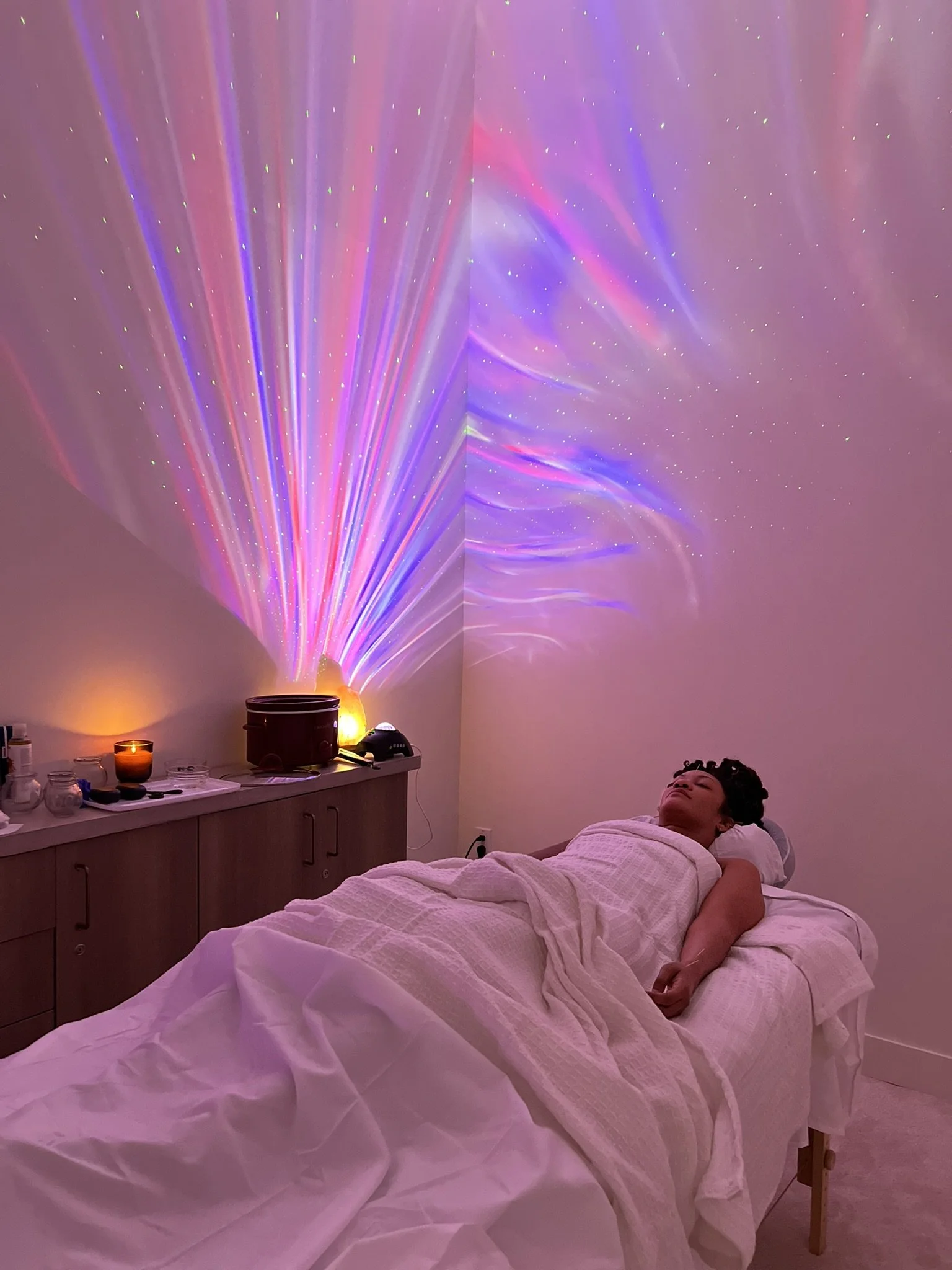
Many patients notice improved sleep quality after just 1–3 sessions, with sustained benefits building over a 6–8 week treatment course.
What Your Treatment Includes
Your sleep treatment at Ifemi Wellness may include:
Acupuncture with points specifically chosen for your sleep pattern
Auricular (ear) acupuncture — calming points that continue working between sessions
Ear seeds — small seeds applied to ear points you can stimulate at home before bed
Chinese herbal formulas — classical formulas like Suan Zao Ren Tang (our signature herb for insomnia) tailored to your constitution
Lifestyle and dietary guidance to support your body's natural sleep cycle
Serving Los Angeles & Culver City
We serve patients across the Greater LA area including Culver City, West Hollywood, Santa Monica, Beverly Hills, Marina Del Rey, Venice, and Mid-City Los Angeles.
How Does Acupuncture Help with Insomnia?
Why Can't You Sleep? A TCM Perspective
Not all insomnia is the same. In TCM, sleep disturbances are categorized by their underlying pattern:
Difficulty falling asleep often relates to an overactive mind — tied to “Heart” Blood or “Liver” imbalance
Waking between 1–3am typically points to Liver Qi stagnation — common in those carrying stress, frustration, or unprocessed emotions
Waking unrested despite sleeping may indicate Spleen deficiency, often seen in people who overthink or worry
Night sweats and hot flashes disrupting sleep — frequently connected to Kidney Yin deficiency, especially during perimenopause
Understanding your pattern is what makes TCM sleep treatment so effective — because we treat you, not just a symptom.
How Acupuncture Improves Sleep
Acupuncture for sleep works through multiple pathways:
Regulates melatonin production — clinical studies show acupuncture increases melatonin secretion
Reduces cortisol — bringing your stress response out of overdrive
Calms the nervous system — shifting you from sympathetic ("fight or flight") to parasympathetic ("rest and digest")
Addresses co-occurring conditions — pain, anxiety, and hormonal imbalance that frequently disrupt sleep
Frequently Asked Questions
-
Your first appointment is typically about 1.5 hours and begins with a thorough consultation. Your acupuncturist will ask about your health history, lifestyle, sleep, energy, and stress levels — not just your insomnia symptoms. This whole-person approach helps identify the underlying imbalances contributing to how you're feeling.
Once treatment begins, hair-thin sterile needles are placed at specific points on the body chosen for your individual needs. Most people are pleasantly surprised — sensations range from nothing at all to a brief, fleeting heaviness or warmth. Pain is rarely a factor.
As the needles work, your nervous system begins to shift. Endorphins are released, and most patients settle into a deep state of relaxation on the table. Many describe leaving their first session feeling calmer and more clear-headed than they have in a long time.
After your initial visit, follow-up sessions are typically one hour. Significant improvement is often noticed within the first 6–8 weekly visits, with treatments gradually spacing out as you feel better.
-
The number of sessions varies depending on your individual needs, the severity of your symptoms, and how long you've been experiencing sleep disruptions. That said, most patients follow a similar path.
For acute or mild symptoms, noticeable improvement is often felt within 6–8 weekly sessions. For more chronic or long-standing anxiety, a full series of 10–12 treatments is typically recommended, as the effects of acupuncture are cumulative — each session builds on the last.
Many patients notice a shift in their stress levels and sleep quality within the first few visits, with deeper, more lasting results developing over the full course of treatment.
Once your symptoms have improved, maintenance sessions help sustain your progress. These are usually scheduled monthly for a few months, then seasonally — much like a tune-up for your nervous system.
The best way to get a personalized recommendation is to schedule an initial consultation, where your acupuncturist can assess your specific situation and create a treatment plan tailored to you.
-
The lasting power of acupuncture depends on several factors, including how long you've been dealing with insomnia and sleep issues, your overall health, lifestyle habits, and whether you complete a full course of treatment.
For most patients, the effects are cumulative — meaning the more consistently you come in, the longer the results tend to hold. After completing an initial series of treatments, many patients find their results last several months to years, particularly when supported by periodic maintenance sessions.
In general, the longer insomnia and sleep issues have been present, the more treatments will be needed to achieve lasting relief. Patients who complete their recommended series and follow up with monthly or seasonal maintenance appointments consistently report the most sustained improvements in mood, sleep, and overall sense of calm.
It's also worth noting that acupuncture works best when paired with supportive lifestyle habits — good sleep, a balanced diet, movement, and stress management practices all help extend and deepen your results.
Think of it less like a one-time fix and more like an investment in your long-term well-being. The goal is not just to feel better temporarily, but to help your body and nervous system build resilience over time.
-
A little preparation goes a long way in making your acupuncture experience as comfortable and effective as possible. Here are a few simple guidelines to keep in mind before your appointment:
Eat something beforehand. Come with a light meal or snack in your system — avoiding treatment on an empty stomach helps prevent lightheadedness and allows your body to respond better to treatment.
Avoid caffeine and alcohol. Try to limit caffeine and skip alcohol on the day of your appointment, as both can interfere with your body's ability to relax and respond to treatment.
Wear comfortable, loose-fitting clothing. Acupuncture points are located all over the body, including the arms, legs, and abdomen. Loose clothing makes it easy to access these points without you needing to fully undress. You can also wear shorts and sleeve-less shirts.
Arrive a little early. Especially for your first visit, giving yourself a few extra minutes to settle in and fill out any intake forms helps you arrive calm rather than rushed.
Put away your to-do list. Try to carve out some quiet time around your appointment. Arriving with a clear mind — and not rushing back into a stressful situation immediately after — allows the treatment to land more deeply.
Be honest with your practitioner. Share any medications, supplements, health conditions, or concerns openly. The more your acupuncturist knows, the more tailored and effective your treatment will be.
-
Book a free discovery call to find out if acupuncture is right for you. We'll take the time to understand your goals and create a treatment plan tailored to your concerns and then add you to the schedule.
BOOK FREE DISCOVERY CALL → ifemiwellness.youcanbook.me